7 Signs Your Garage Floor Needs Resurfacing or Coating
Planning a garage floor project in Virginia or West Virginia? Request your free on-site estimate.
Concrete looks indestructible, but a garage slab in Virginia or West Virginia lives a hard life: freeze-thaw cycles, road salt dripping off cars all winter, oil, and humidity. Damage starts small and compounds. Here are the seven signs we look for on every estimate — and which ones mean you should act sooner rather than later.
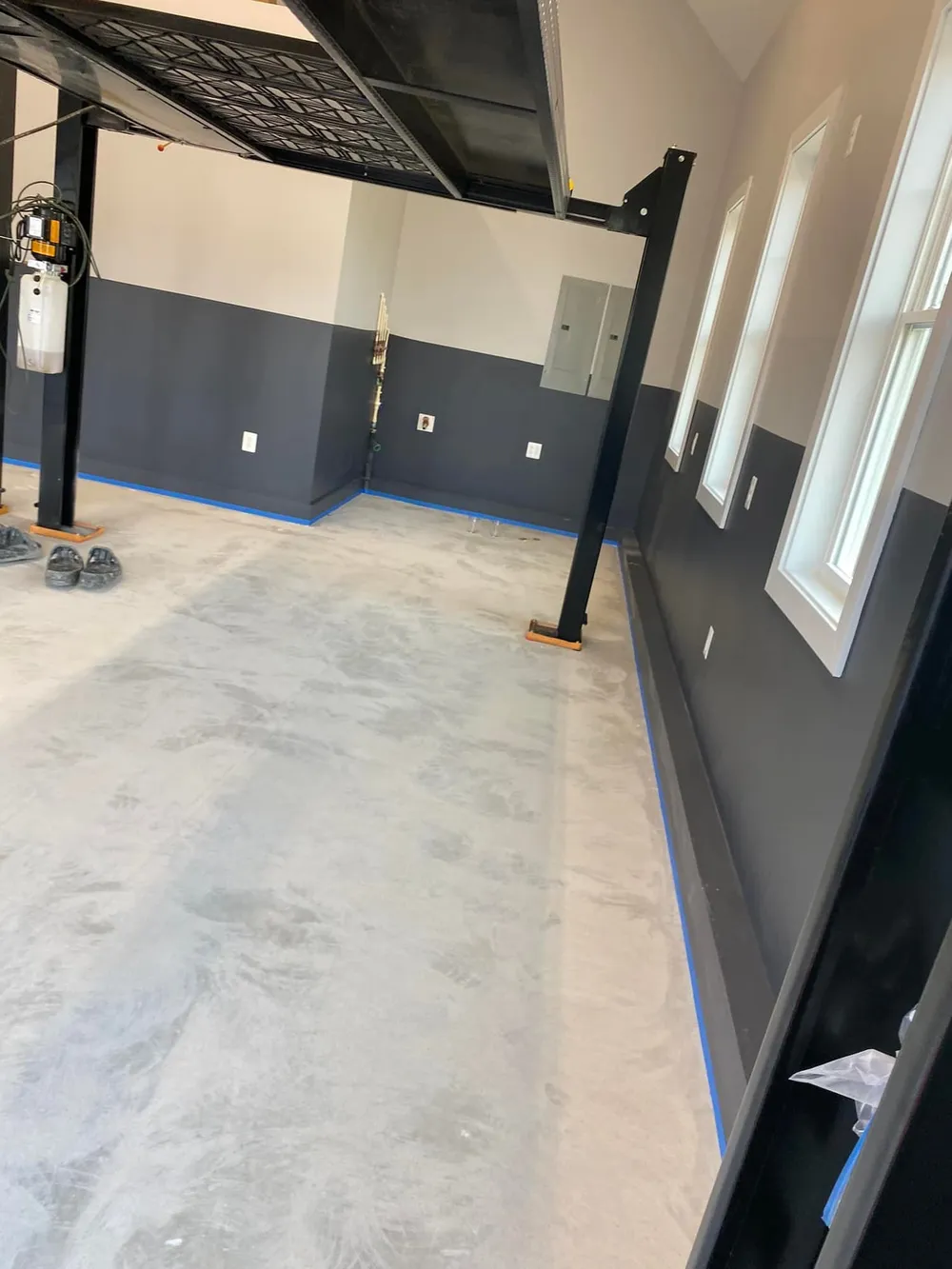
1. Cracks — hairline or widening
Hairline cracks are normal concrete behavior, but they're also entry points for water. When water in a crack freezes, it expands and pries the crack wider, every winter, forever. A crack you can fit a coin into is past cosmetic. The fix: structural crack repair before any coating goes down — never just filling the crack and hoping.
2. Pitting and spalling
Pitting is the field of small craters that appears as the slab surface breaks down; spalling is when whole flakes of the surface pop off, often exposing aggregate. Both are classic freeze-thaw and salt damage, and both spread. This is the strongest sign that the surface layer is failing and the slab needs to be ground down, repaired, and sealed under a coating.
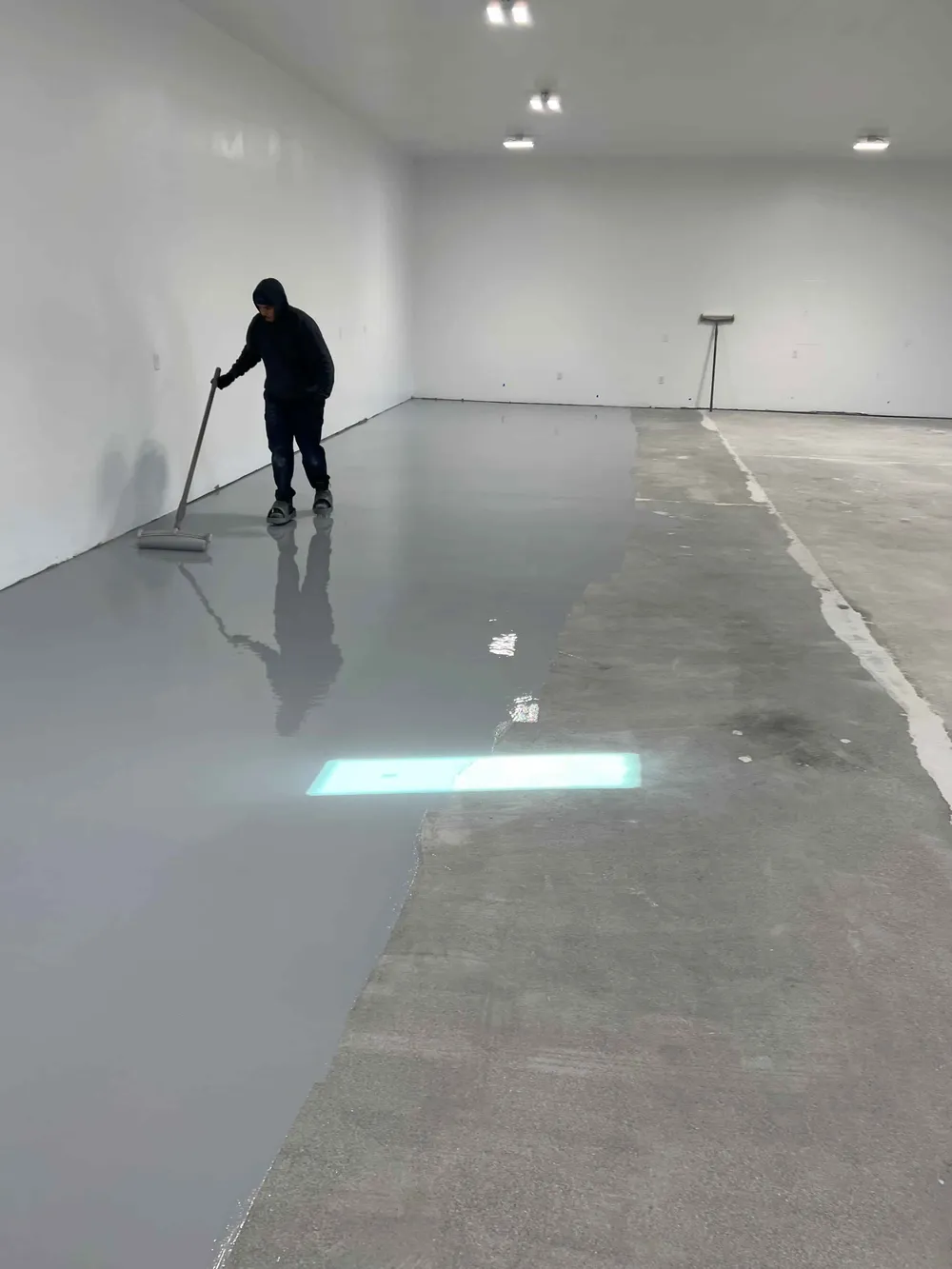
3. Concrete dusting
If sweeping your garage always produces fine white-gray powder, the surface of your concrete is literally wearing away — a condition called dusting. That dust tracks into the house and means the weak top layer (laitance) is disintegrating. Coating over it without grinding it off is exactly why poorly bonded coatings peel.
4. Stains that won't come out
Oil, transmission fluid, and rust stains that survive scrubbing have soaked into the concrete's pores — bare concrete is a sponge. Staining is cosmetic, but it tells you the slab is unsealed and absorbing everything else too, including salt-laden winter meltwater.
5. White crusty residue (efflorescence and salt)
White deposits on the slab are minerals and de-icing salt left behind by evaporating moisture. Salt is chemically aggressive to concrete and to the rebar inside it. If you see white bloom every spring, the slab is absorbing salt water all winter.
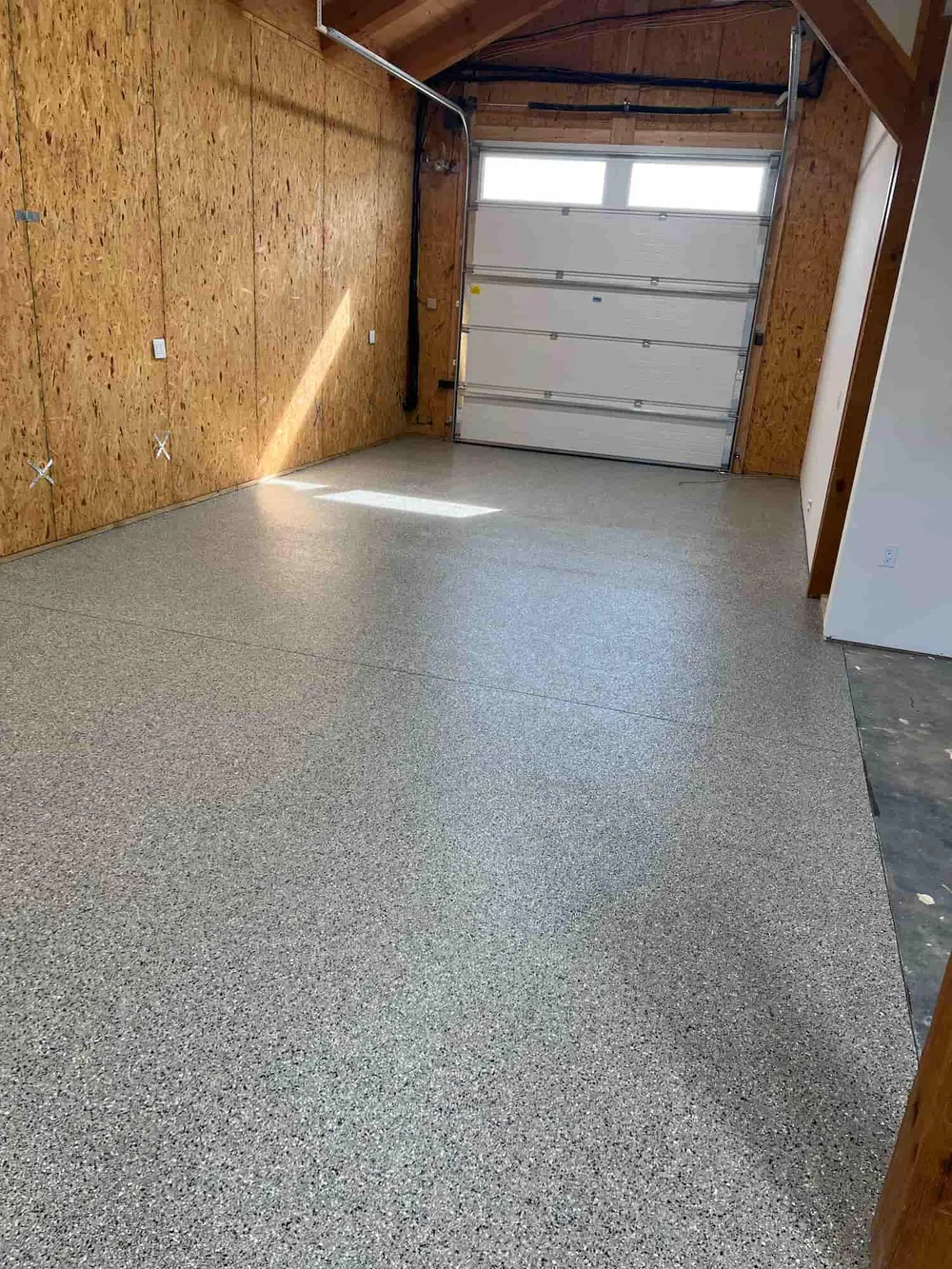
6. Flaking or peeling old paint or coating
An old floor paint or DIY epoxy that's lifting doesn't just look bad — it blocks any new coating from bonding. The failed material must be completely ground off first. This is a job worth doing once, properly; our DIY vs professional guide covers why the second attempt should be different from the first.
7. Moisture or dark damp patches
Damp spots that appear without a spill suggest moisture migrating up through the slab. It doesn't rule out coating, but it changes the system — a moisture-tolerant primer has to go down first. This is one of the checks a professional estimate should always include.
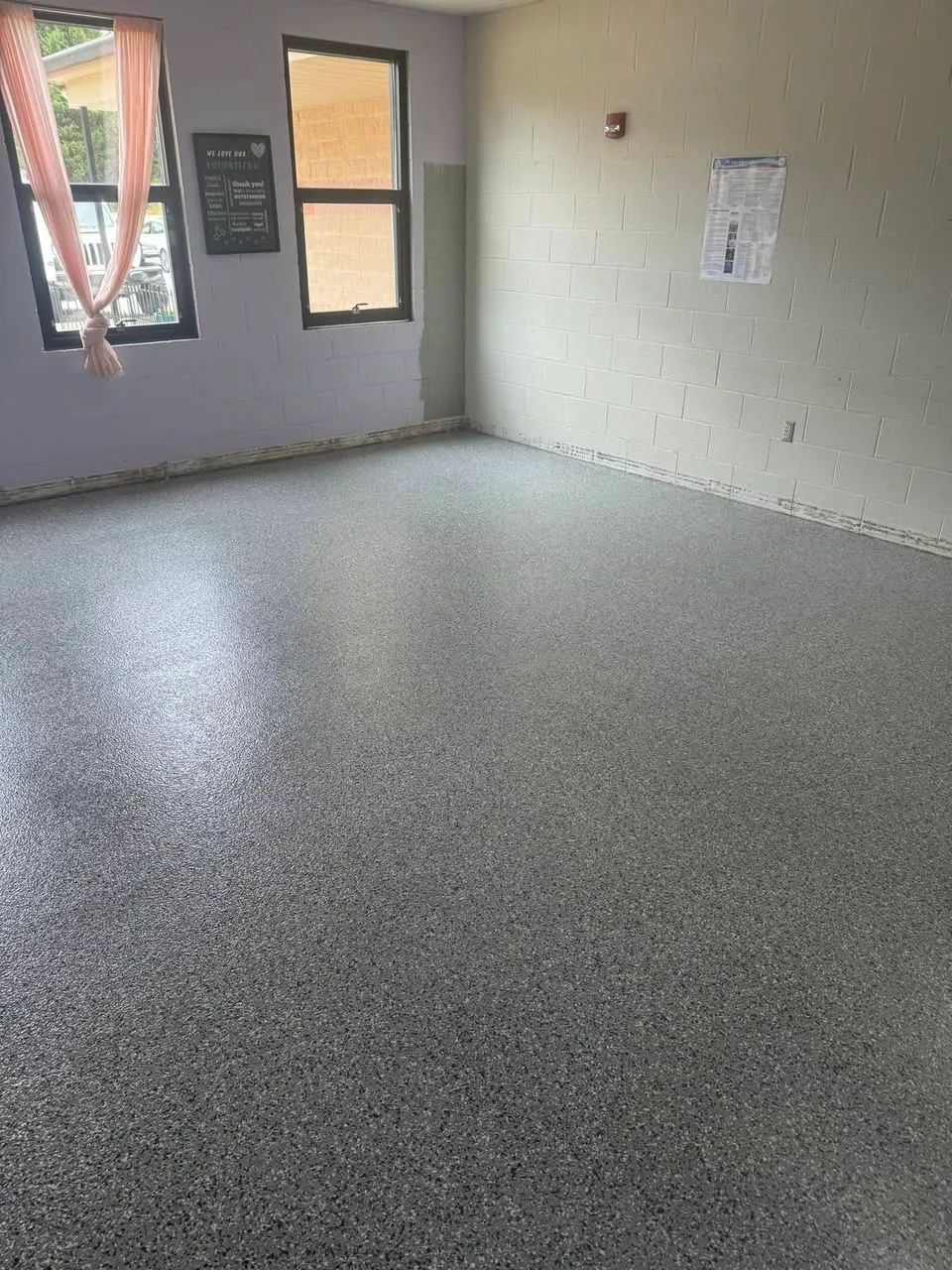
Why acting early matters
Freeze-thaw damage compounds each winter, so addressing these problems early helps protect the slab. Coating a sound, prepared slab stops the cycle: the coating seals the pores, sheds salt and water, and takes the wear instead of the concrete. If you're seeing two or more of these signs, it's worth having the floor looked at — estimates are free and on-site, and you'll get a straight answer about what your slab actually needs.
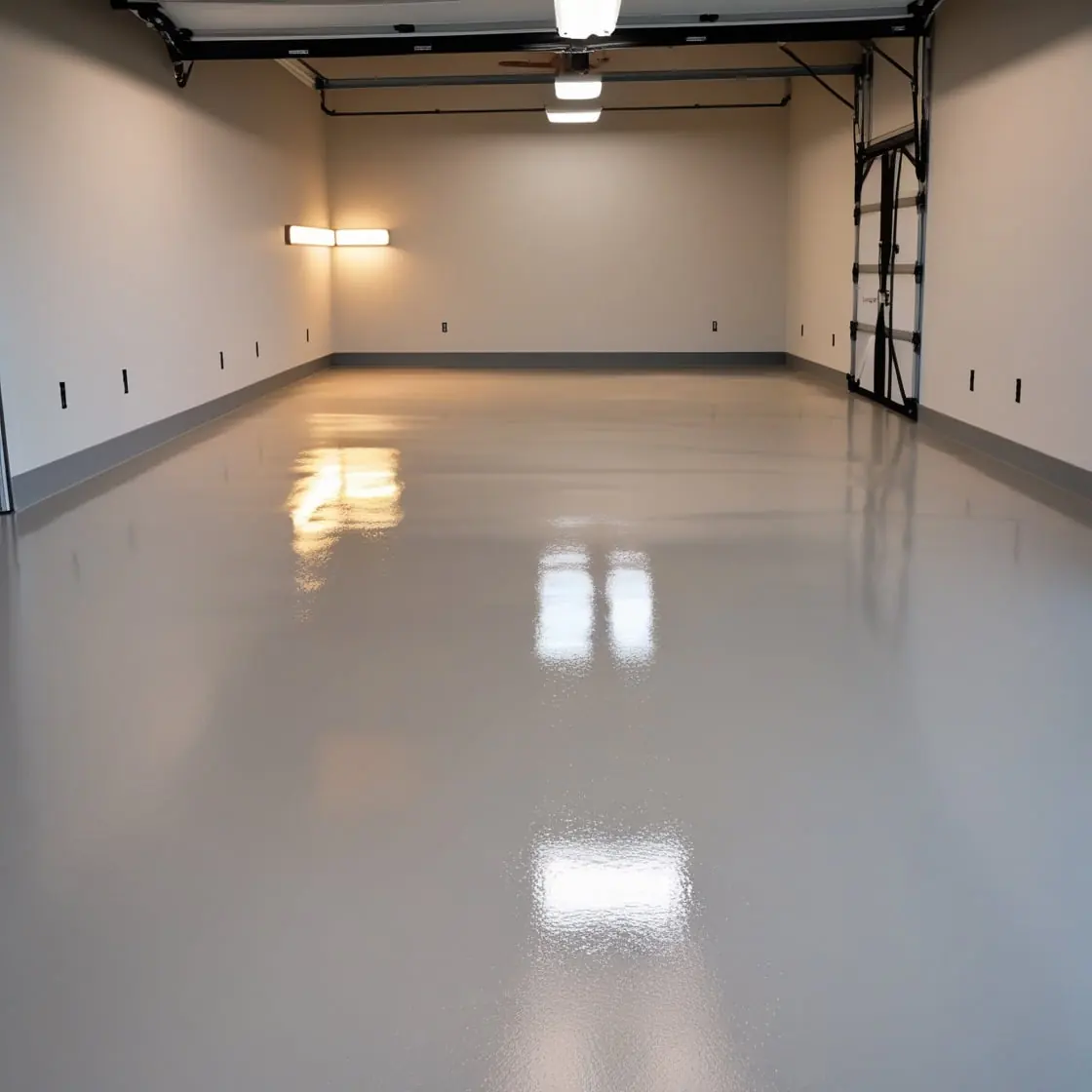
Ready for a Floor That Lasts?
Ultimate Garage Floors installs epoxy and polyaspartic floor coatings across Virginia and West Virginia. Estimates are free, on-site, and no-obligation.